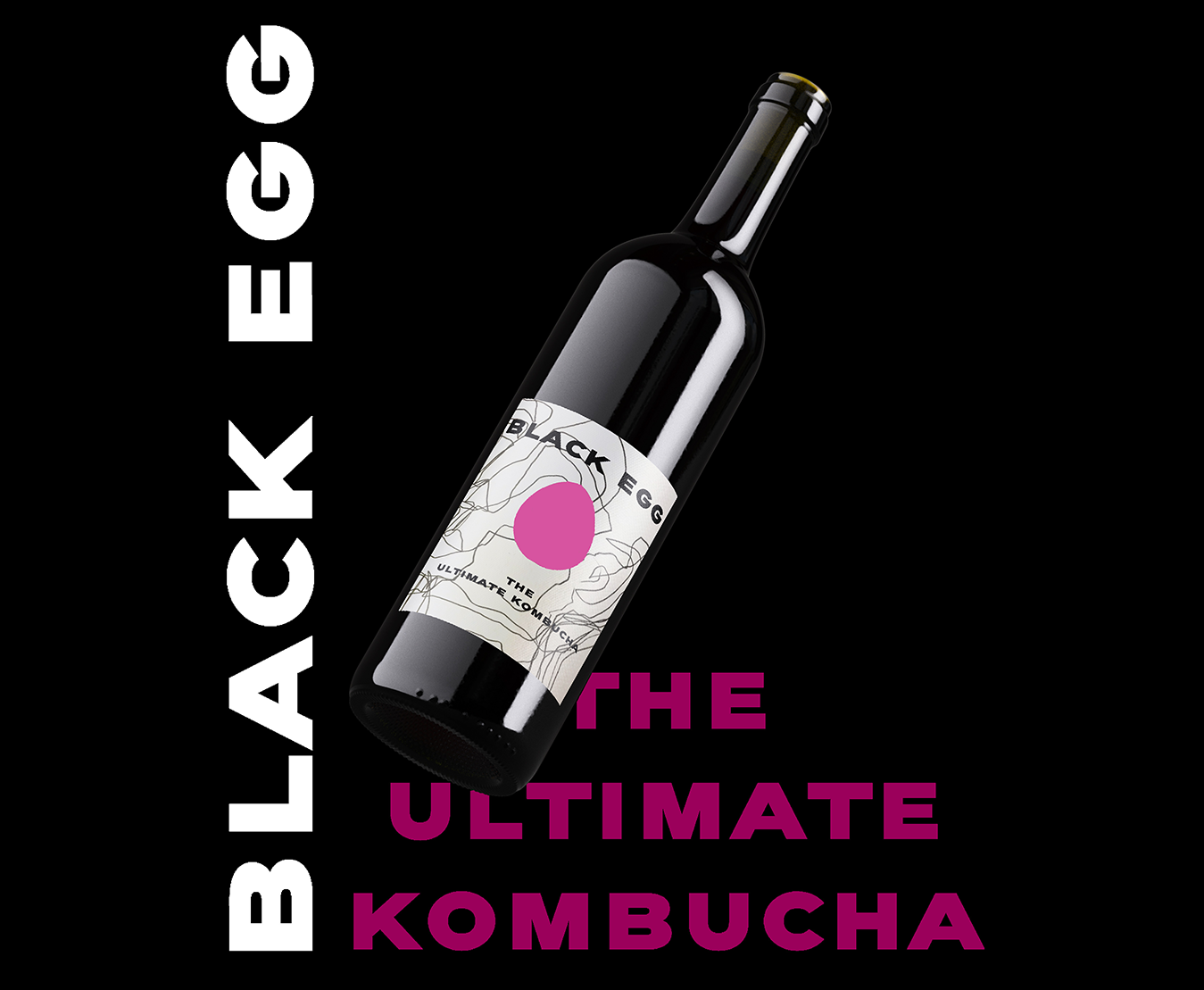
BLACK EGG KOMBUCHA
What is kombucha?
Kombucha is a fermented beverage that is believed to have originated in Northeast China over 2,000 years ago. It is made through the fermentation of sweetened tea with the help of a symbiotic culture of bacteria and yeast (SCOBY). As the fermentation process takes place, the SCOBY metabolizes the sugars in the tea, producing organic acids, carbon dioxide, and trace amounts of alcohol.
Why is kombucha healthy?
Kombucha is a natural source of probiotics, which are beneficial bacteria that support a healthy gut microbiome. Loaded with antioxidants, kombucha helps combat oxidative stress by neutralizing harmful free radicals in the body. The fermentation process of kombucha promotes the growth of enzymes and organic acids, aiding in the breakdown of food and enhancing digestion. Kombucha contains glucaric acid, which supports the liver's natural detoxification processes. The combination of probiotics and antioxidants in kombucha can enhance immune system function.
SCOBY
Kombucha is a fermented beverage that is believed to have originated in Northeast China over 2,000 years ago. It is made through the fermentation of sweetened tea with the help of a symbiotic culture of bacteria and yeast (SCOBY). As the fermentation process takes place, the SCOBY metabolizes the sugars in the tea, producing organic acids, carbon dioxide, and trace amounts of alcohol.
The process of making the kombucha
1. Brew Sweet Tea
2. Add SCOBY and Starter Liquid
3. Ferment:
4. Check Taste
5. Remove SCOBY
6. Bottle the kombucha (second fermentation)
7. Refrigerate
8. Enjoy
How do we differ?
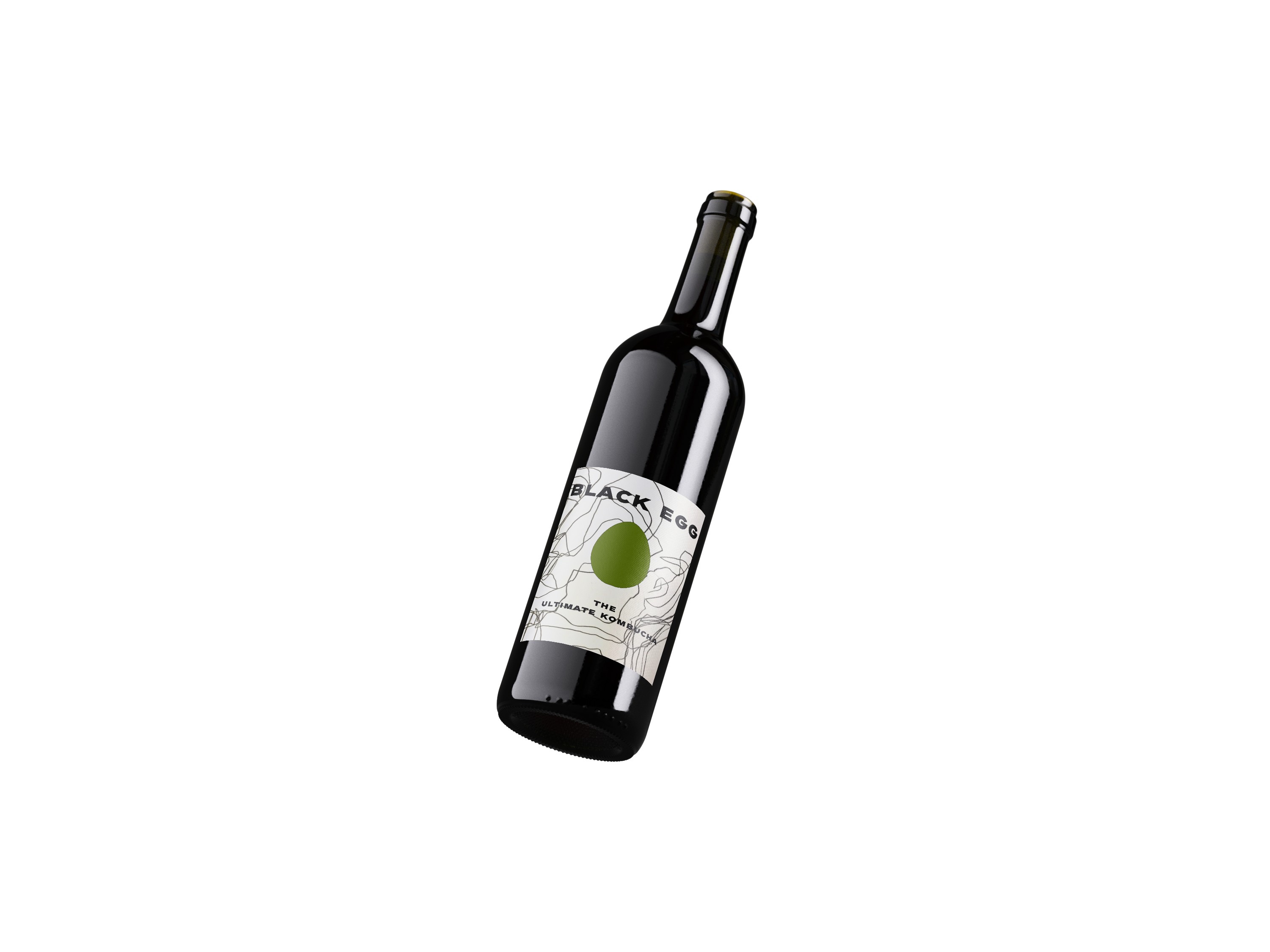
Our kombucha is unique not only for its flavour and recepies but also for the idea of selling it by glass, like wine. Wine has a tradition and we think Kombucha should has a simillar potential. Customers would come to the Café/Wine bar and if they order kombucha, they would give the customer a taste first, into a wine glass with a presentation of the bottle itself. As komucha is quite complicated to make and has short expiracy date, it should have this fancy treatment, as wine. Many kombuchas we tasted were very sour, which is a sign of overfermentation which means the kombucha is turning into vinegar. Kombuchas should always be stored in fridges in cold temperatures, it is naturally sparkling with spontanious fermentation.
Potential customers
Cafes can benefit from offering kombucha as a trendy and non-alcoholic option that complements their menu, appealing to health-conscious patrons.
In wine bars, kombucha can be positioned as a sophisticated non alcoholic alternative, catering to those seeking a refreshing, yet refined, beverage.
For gyms, kombucha's natural probiotics and hydrating qualities make it an excellent fit for health-focused customers looking for a post-workout refreshment.
Kombucha flavours
Our flavors
Lavender + lime
Hibiscus + hip
Coffucha (coffee + kombucha)
Seabuckthorn + lemon grass
Get in touch
If you are interested in our product don't hesitate to contact us.
© BLACK EGG KOMBUCHA. All rights reserved. Design: HTML5 UP.